The BLINK project, Systemic overconsumption in the construction value chain, studies established practices, guidelines, decision-making structures and incentives in the construction sector. The project is carried out in cooperation with AFRY Finland Oy, the BIOS Research Unit and the Terra Research Centre at Tampere University. In addition to the responsible project partners, BLINK brings together a broad group of experts who use research and practical experiments to identify ways to reduce overconsumption in construction.
Master’s thesis examined circular economy in infrastructure construction
Within the BLINK project, the work carried out by Tampere University’s Terra Research Centre focuses on circular economy in infrastructure construction. This topic was explored in the master’s thesis Transition to circular economy in infrastructure construction (2026) by Roohma Sasikumar Banija, who completed the thesis in the international master’s programme in geotechnical engineering. Pirjo Kuula and Pauli Kolisoja, who work on the BLINK project, supervised the thesis.
Banija’s thesis investigated whether overconsumption occurs in Finnish infrastructure construction and what kinds of circular economy practices are already being applied in the sector. The study also examined barriers to implementing these practices, ways to overcome them, and indicators that can be used to monitor the transition to circular economy.
The findings highlight several interesting observations in relation to the global infrastructure sector. Although overconsumption occurs in infrastructure construction worldwide, Banija’s research and interviews indicated that it does not currently appear to be a major issue in Finland. One reason for this is the strict budget framework and resource-conscious planning of infrastructure projects.
Regarding circular economy practices, the findings show that although Finland has strong national objectives, current implementation is largely limited to the use of recycled aggregates, crushed concrete and low-carbon materials, as well as occasional structural reuse.
Progress in circular economy requires better data management
The main barriers to the transition are regulatory uncertainty, financial constraints, limited knowledge, inconsistent data availability and uneven material supply. To address these barriers, the study identified measures such as strengthening regulation, increasing training and renewing procurement practices. The thesis also shows that although circular economy indicators exist internationally, their use in Finland remains limited and national indicators are still under development. Key next steps include digitalising data collection, establishing shared definitions for circular economy practices and adopting digital tools.
Read more
Read also Terra’s news article from 19 August 2026, in which Roohma Sasikumar Banija discusses the thesis process and her studies in Tampere.
Explore Roohma Sasikumar Banija’s master’s thesis on Tampere University’s website:
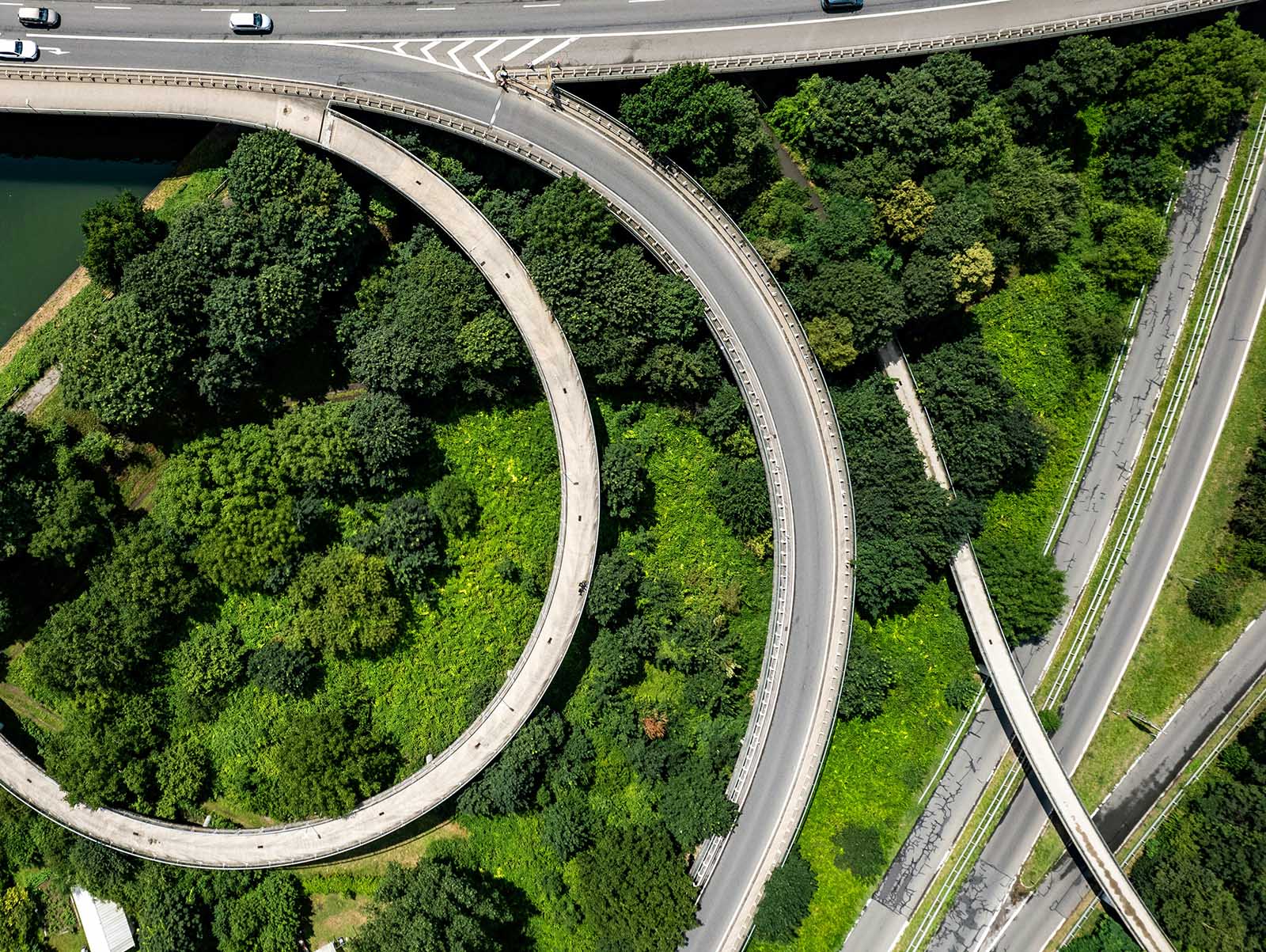
Kuva: Bernd Dittrich on Unsplash